
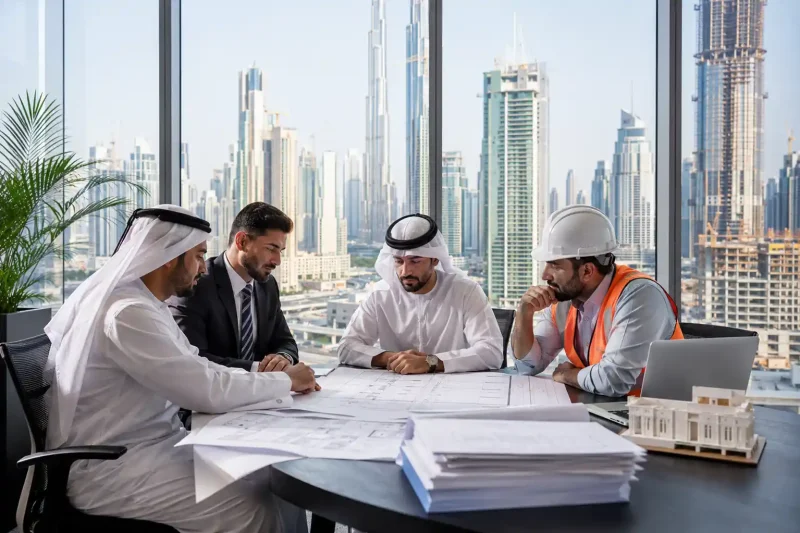

The construction industry in Dubai operates under strict regulatory and engineering standards designed to ensure safety, sustainability, and urban planning compliance. Before any residential, commercial, or infrastructure project can begin, developers and contractors must complete the official building permit process.
Understanding the building permit process in Dubai is essential for property owners, contractors, architects, engineers, and investors because permit approvals directly affect project timelines, legal compliance, and construction quality.
Whether planning a luxury villa, commercial tower, industrial facility, or infrastructure project, obtaining the proper approvals is one of the most important stages in construction development.
What Is a Building Permit?
A building permit is an official approval issued by the relevant authority that allows construction work to legally begin on a project.
The permit process helps authorities verify:
- Structural safety
- Engineering compliance
- Environmental standards
- Zoning regulations
- Fire safety requirements
- Utility coordination
- Sustainability compliance
Construction work without proper approvals can lead to project delays, penalties, or legal complications.
Why Building Permits Are Important in Dubai
Dubai’s rapid urban expansion and large-scale infrastructure development require highly organized regulatory oversight.
The building permit process helps ensure:
- Safe construction practices
- Proper urban planning
- Environmental responsibility
- Infrastructure coordination
- Compliance with engineering standards
- Long-term building quality
These approval systems are especially important as Dubai continues expanding through smart city projects in UAE and technology-driven urban developments.
Main Authorities Involved in the Permit Process
Several authorities may participate in the approval process depending on the project type and location.
Common regulatory entities include:
- Dubai Municipality
- Dubai Civil Defense
- DEWA (Dubai Electricity and Water Authority)
- Roads and Transport Authority (RTA)
- Environmental authorities
- Master developers
Large infrastructure and commercial projects may require additional technical approvals from specialized departments.
Stages of the Building Permit Process in Dubai
1. Project Design and Planning
The permit process usually begins with architectural and engineering planning.
This stage may involve:
- Architectural drawings
- Structural calculations
- MEP design planning
- Site analysis
- Environmental assessments
- Zoning compliance reviews
Proper project planning often relies on structured documentation systems similar to those discussed in BBC in construction project coordination frameworks.
2. Initial Approval Submission
Developers or consultants submit project documentation for initial authority review.
Documents may include:
- Site plans
- Engineering drawings
- Ownership documents
- Consultant approvals
- Technical reports
- Design specifications
3. Technical Review and Compliance Checks
Authorities review the project to ensure compliance with construction regulations and engineering standards.
Review areas may include:
- Structural safety
- Fire protection systems
- Environmental compliance
- Accessibility standards
- Energy efficiency requirements
- Infrastructure coordination
4. Permit Approval and Issuance
Once technical requirements are satisfied, the building permit is officially issued, allowing construction activities to begin legally.
Required Documents for Building Permits
The required documentation depends on project type, location, and development scale.
Typical requirements may include:
- Architectural drawings
- Structural engineering reports
- MEP plans
- Land ownership documents
- Contractor details
- Consultant approvals
- Environmental reports
- Civil defense documentation
Incomplete documentation is one of the most common causes of approval delays.
Role of Contractors in the Permit Process
Professional contractors play a major role in coordinating approvals and managing regulatory requirements.
Experienced contractors usually assist with:
- Technical documentation
- Engineering coordination
- Compliance management
- Inspection scheduling
- Authority communication
- Project approvals
Property developers often compare the best contracting businesses in UAE before starting projects that require extensive permit coordination.
Building Permits and Construction Company Licensing
Only properly licensed contractors can legally execute construction projects in Dubai.
Companies entering the industry through construction company setup in Dubai must secure the appropriate contracting approvals before applying for project permits.
License classification may affect:
- Project eligibility
- Construction categories
- Technical approval rights
- Project size limitations
Green Building Compliance Requirements
Sustainability regulations now form an important part of Dubai’s permit approval process.
Authorities increasingly evaluate:
- Energy performance
- Cooling efficiency
- Water conservation systems
- Sustainable construction materials
- Environmental impact
Developers must often comply with green building regulations in Dubai before permits are approved.
Permit Costs and Approval Expenses
Building permit expenses vary depending on project scale and technical complexity.
Common permit-related costs may include:
- Engineering review fees
- Municipality charges
- Inspection costs
- Utility approval fees
- Consultant expenses
- Environmental compliance fees
Residential developers planning custom homes frequently compare villa construction cost in UAE alongside permit expenses to estimate full project budgets.
Technology and Digital Permit Systems
Dubai continues modernizing its permit systems through digital transformation and smart governance initiatives.
Modern permit management increasingly uses:
- Online submission portals
- Digital engineering reviews
- Cloud-based documentation
- Automated approval workflows
- AI-assisted compliance systems
Digital transformation is also influencing broader Dubai construction market trends 2026 across the construction sector.
Permit Challenges in Large Infrastructure Projects
Large infrastructure developments often involve more complex approval procedures due to engineering scale and public utility coordination.
Major infrastructure projects in UAE 2026 may require:
- Multi-agency approvals
- Transportation coordination
- Environmental assessments
- Advanced engineering studies
- Public safety planning
Proper permit management becomes increasingly important as project complexity grows.
How to Avoid Permit Delays
Permit delays can significantly impact project costs and construction schedules.
Common causes of delays include:
- Incomplete documentation
- Design errors
- Regulatory non-compliance
- Engineering revisions
- Missing approvals
- Poor contractor coordination
Working with experienced consultants and qualified contractors can help streamline the approval process.
Final Thoughts
The building permit process in Dubai plays a critical role in ensuring construction safety, engineering quality, sustainability compliance, and organized urban development across the UAE.
From residential villas and commercial towers to smart infrastructure and industrial developments, proper permit approvals are essential before construction activities can begin.
As Dubai continues investing in future-ready cities and advanced infrastructure systems, understanding construction regulations and approval procedures will remain increasingly important for developers, contractors, and investors.
For official permit procedures, construction approvals, and engineering regulations, the Dubai Municipality official website provides updated guidelines and technical resources.